Under a heavy veil of impenetrable darkness and a pledge of silence, thirty-nine gangly Jewish east-coasters clambered over unseen rocks and curving slopes in the Judaean Desert.
We trekked up invisible mounds and crackling gravel, moving ever deeper into a valley far from the Bedouin tents that emitted radiant light into the surrounding land.
The darkness of the desert at night was resolute and unforgiving.
Without words and without sight, we held onto one another as we stepped and stumbled to where the world felt untouched, unsullied. The stars of the Judaean desert winked down at us, as if finally we were privy to some large and unknowable secret simply by trudging out to where the heavy-handed caress of manmade lights could no longer suffocate our thoughts. We were free in a compressing blackness. Free in silence, in bated breath and shuffling footsteps.
I did not expect my Birthright trip to Israel to be so emotionally and spiritually powerful.
To say the least, I expected a good time. I expected to meet a few friendly people, explore some historically prominent cities, and take an incomprehensible number of photos for this blog (which is ironic, because there are currently waaaaaaay more words than photos here right now).
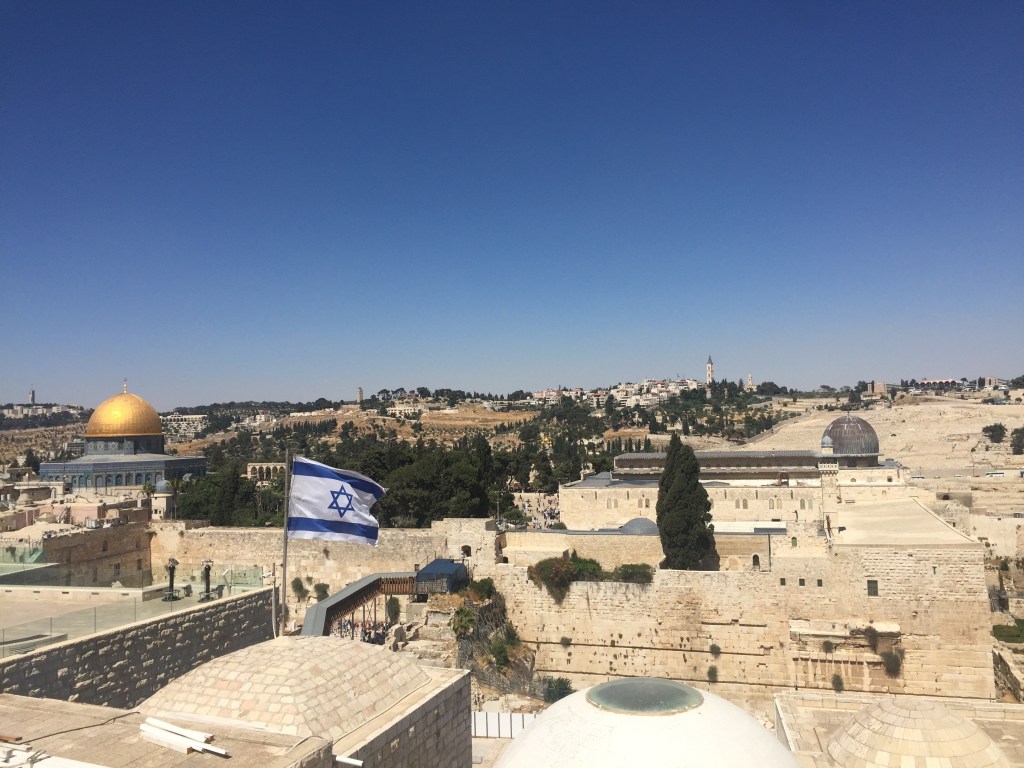
I could not have predicted how attached I would quickly become to the 38 others who joined me on the trip. I could not have foreseen the sincere and meaningful conversations I would have about consciousness, about religion, about God, about culture, about everything in between. I could not have foreseen standing on a rooftop in Jerusalem, looking out over a city my ancestors had wished so desperately to reach, feeling an abstract sense of home and a compelling connection to a collective Jewish past.
And that, I believe, was the thread woven throughout my time in Israel. What I truly never could have anticipated was the profound and enduring sense of belonging and connectedness I felt there. I could not have anticipated looking up at the stars in the Judaean desert and shedding silent, placid tears as I was overcome by an awareness of something greater than myself. In that moment, all I could see were incandescent celestial bodies, gleaming amid an inscrutable background of ebony sky. All the friends I’d made, sitting scattered around me in various nooks of desert land– we all shared this sky, but we each owned a piece of it, too. We each saw within the sky and the stars another universe of internal projection, of thoughts and meditations and contemplations on the question, “Who am I?”
So the trip became a widespread exploration of that oh-so ambiguous quandary.
On our first day, when we were still testing the boundaries of new relationships and glaring cultural differences (hello, unrefrigerated milk!), we embarked upon a hike up Mount Arbel. It was the first of many outings that would shake “comfortable” from our vocabulary.
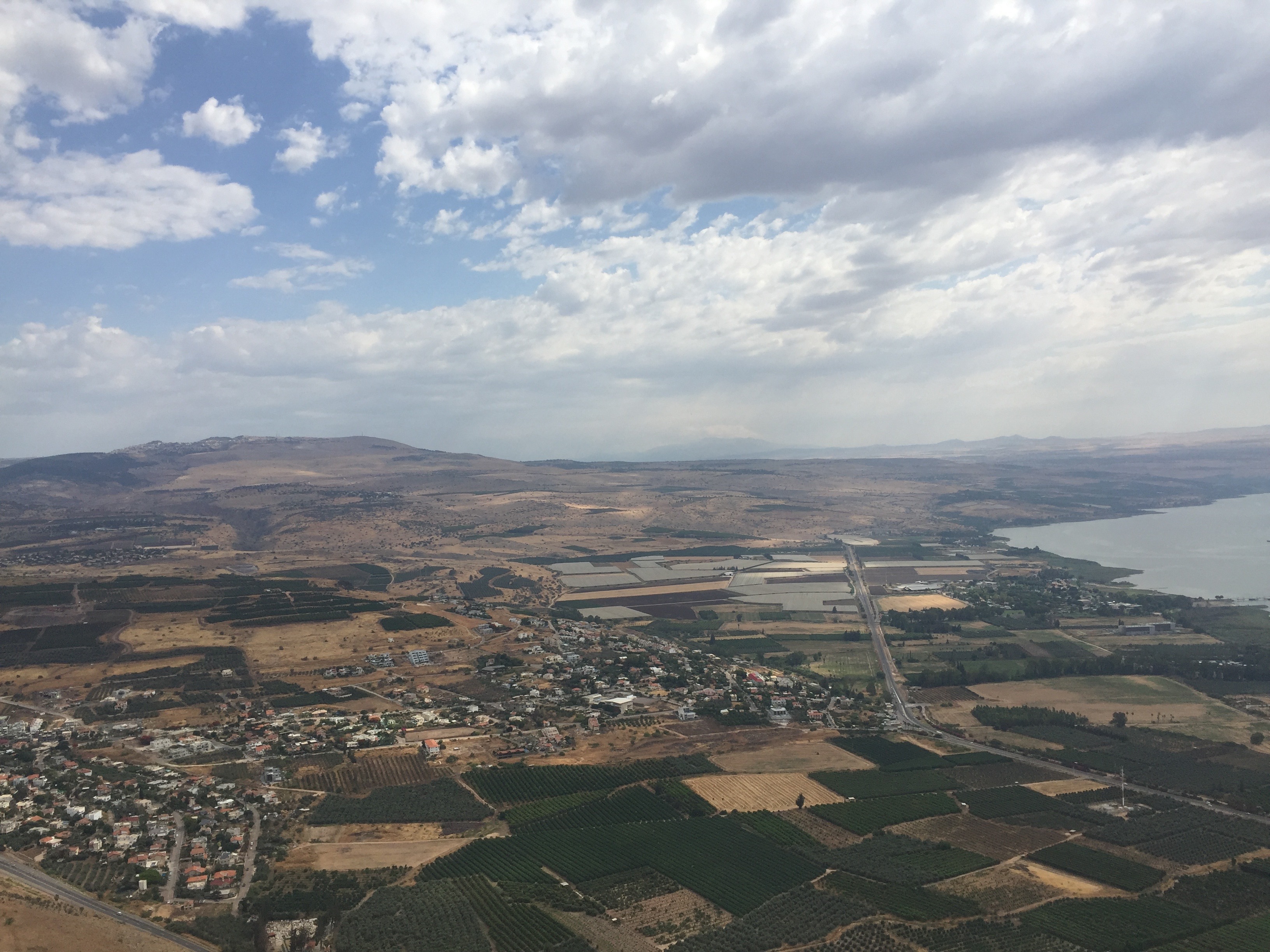
Those of us who couldn’t ditch our pride long enough to admit we were frightened of heights soon came face-to-face with this delightful surprise:
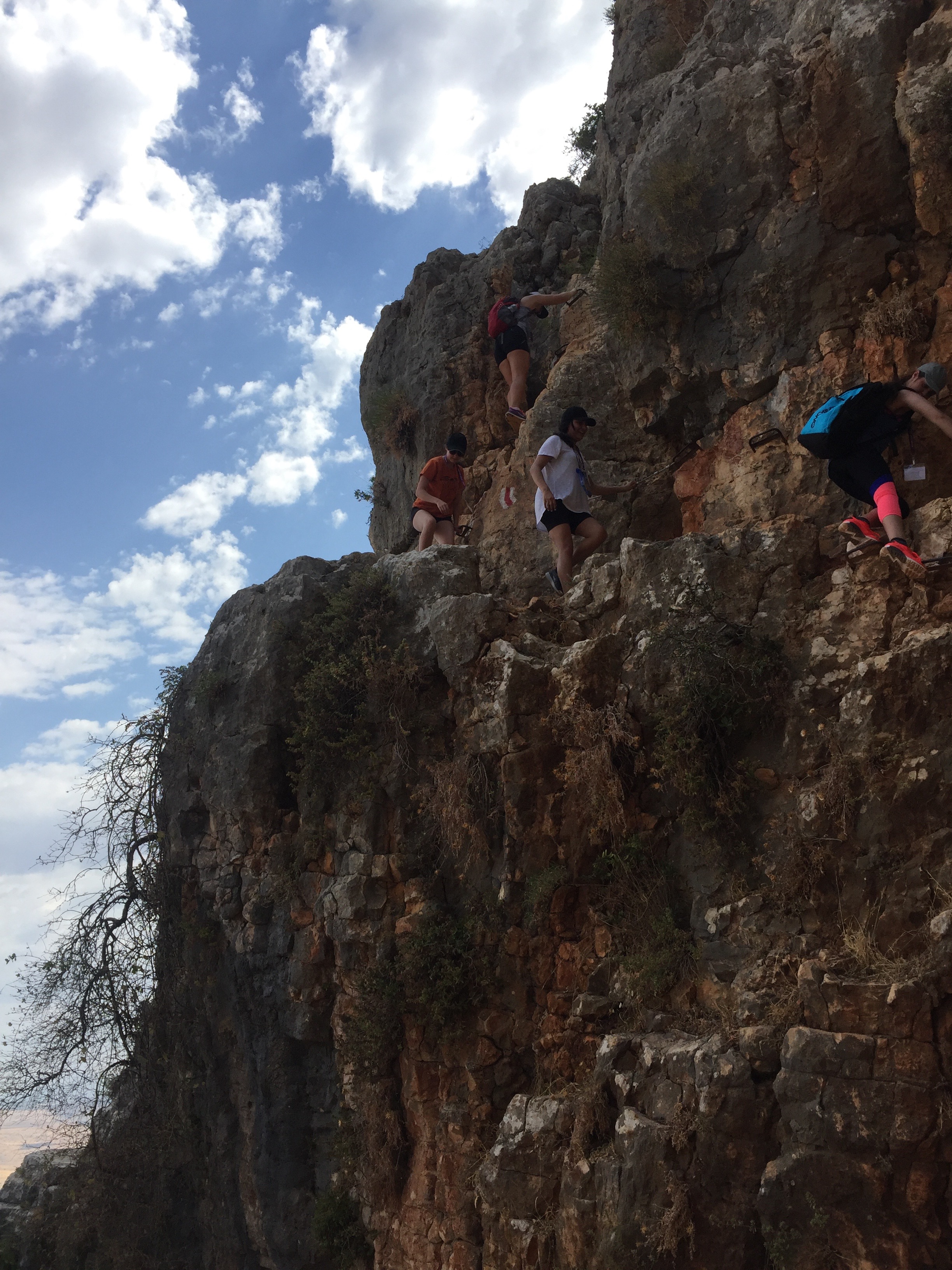
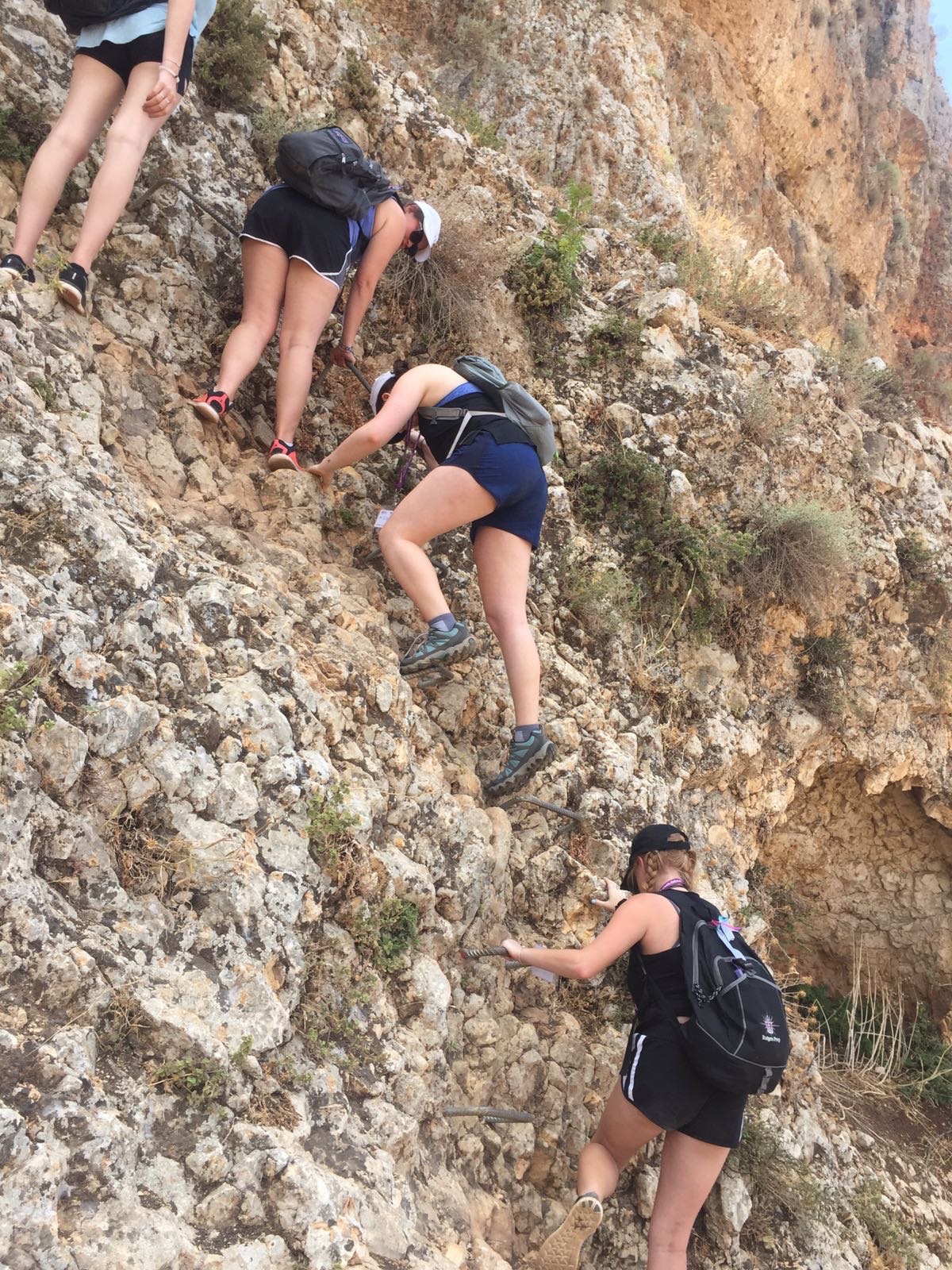
So, with a great deal of trepidation, I scaled the side of a cliff alongside friends who felt familiar and new all at once. Familiar and new, another abiding theme I noticed during my time in Israel. Feeling deeply connected to a foreign place, feeling a sense of belonging among strangers. An unusual paradox, yes. A welcome one, absolutely.
With each passing day, the group drew closer to one another, as if pulled to a central point by a strong and benevolent gravitational force. We were experiencing friendship on steroids; each passing day was the equivalent of a passing month.
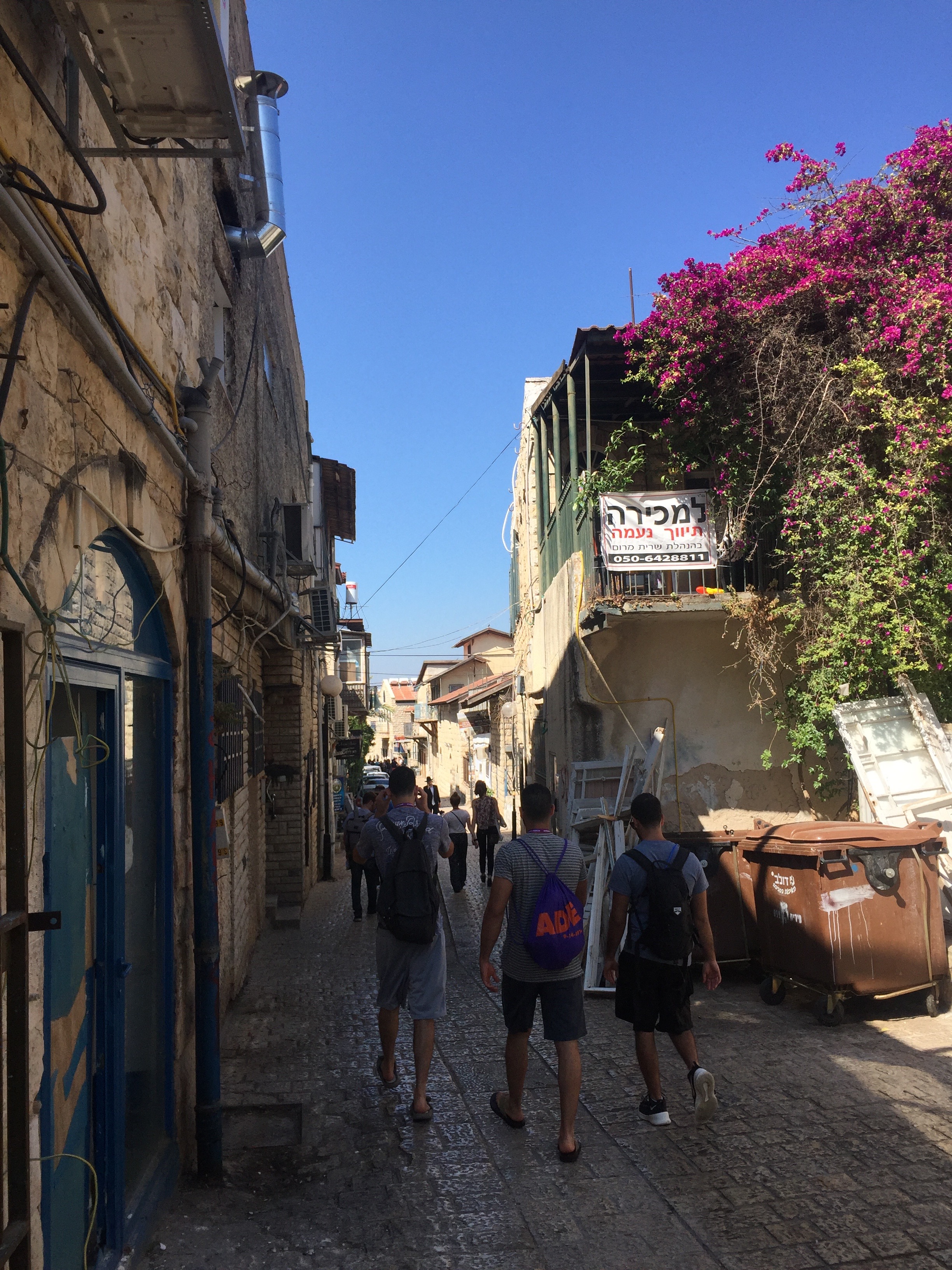
Upon visiting the mystical city of Tzfat, resplendent with colorful flowers and lively markets, the ever-present sense of spirituality seemed to heighten and morph into new shapes.
Ancient architecture gave way to smoothly cobbled streets, trodden with the occasional gaggle of tourists. I couldn’t help but notice the blatantly antithetical blending of past and present, of Nike sneakers against archaic stone, or cell phones poised for photos in holy synagogues. Familiar and new. Modern and antiquated. They shared this space with elegance and balance, leading me to question the necessity of our nearly unmitigated modernity in the U.S. Why can’t our past live in harmony alongside our present?
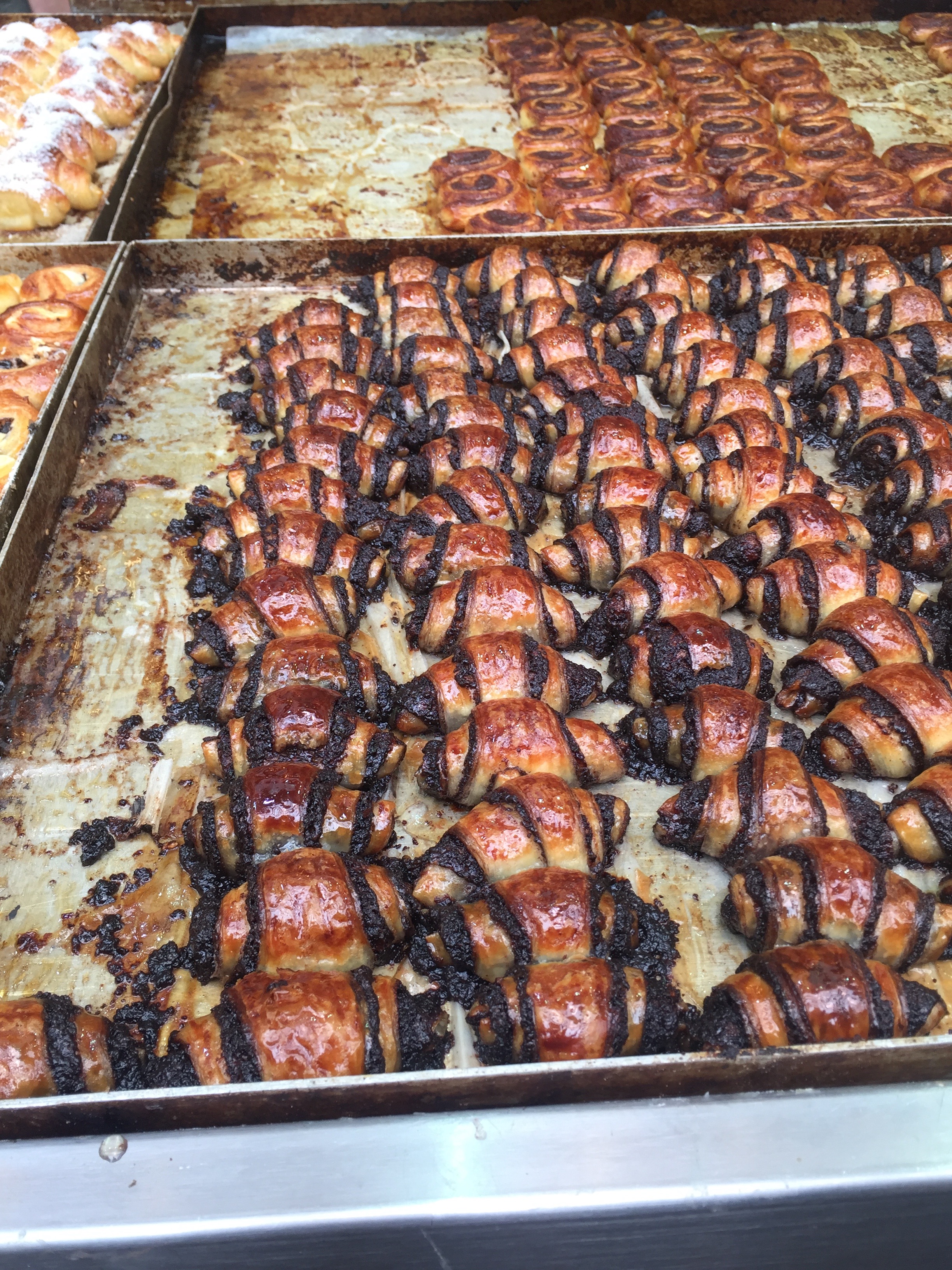
Another reminder of the concurrency of past and present and their compatibility in Israel was displayed at the Mahane Yehuda Market in Jerusalem. To be blunt, we can’t handle shit like this in the U.S. The cultural effusion, the bargaining, the jostling, the tasting and sharing– it is a practice downtrodden by quantity-over-quality consumerism. This is unfortunate, particularly because I’m not sure where else I will eat such delicate, buttery, melt-in-your-mouth rugelach, pulled fresh from the oven so that they steam up the plastic container they are hurriedly packaged in. If you eat rugelach at the market and you don’t end up with warm chocolate dripping down your fingers, you’re doing it wrong.
The market is a foodie’s paradise. Pastries, dried fruits, nuts, teas, spices, candies, and all kinds of other delicacies attract the wandering eye from every corner.
It is the most welcome of sensory overloads.
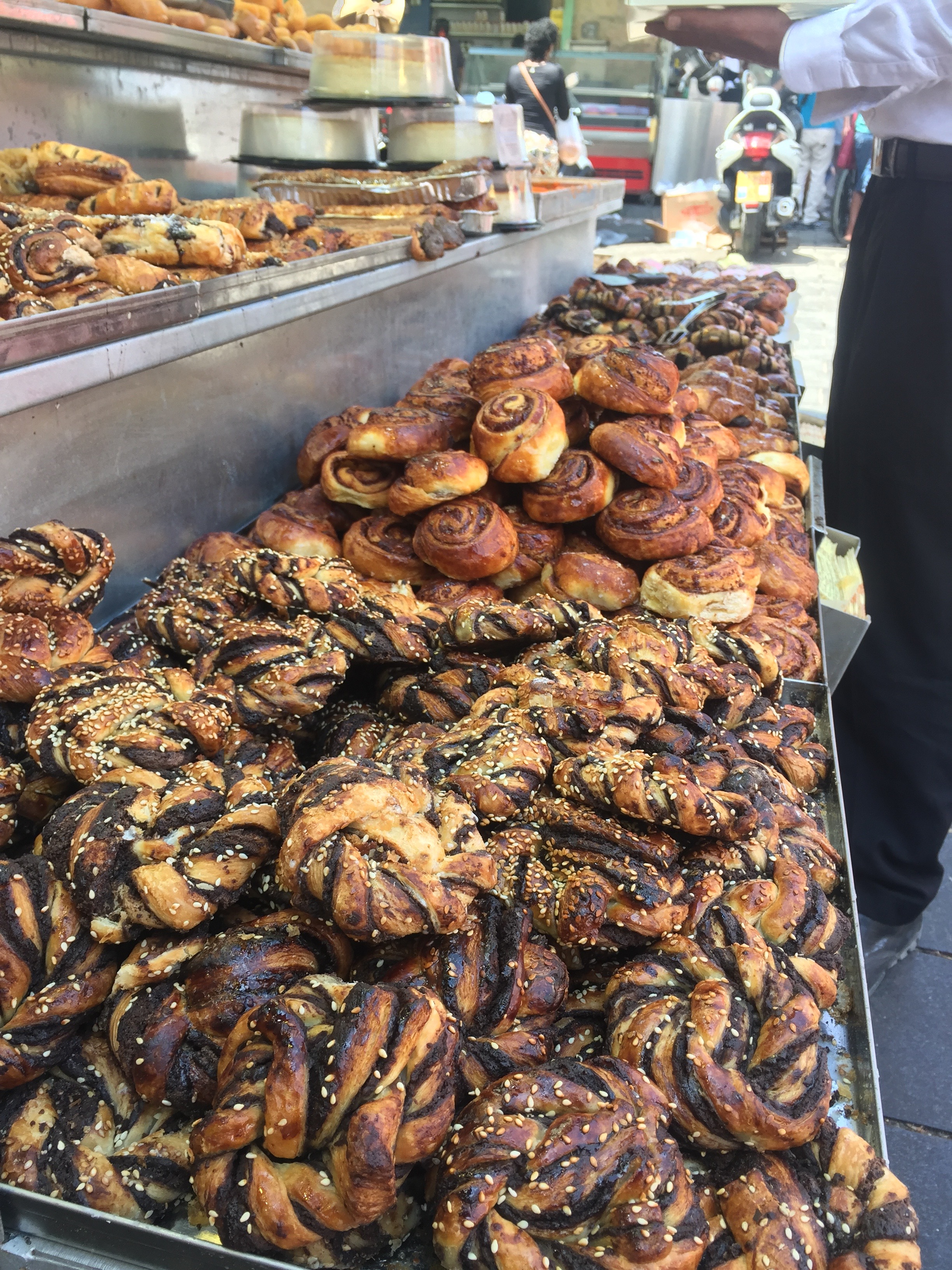
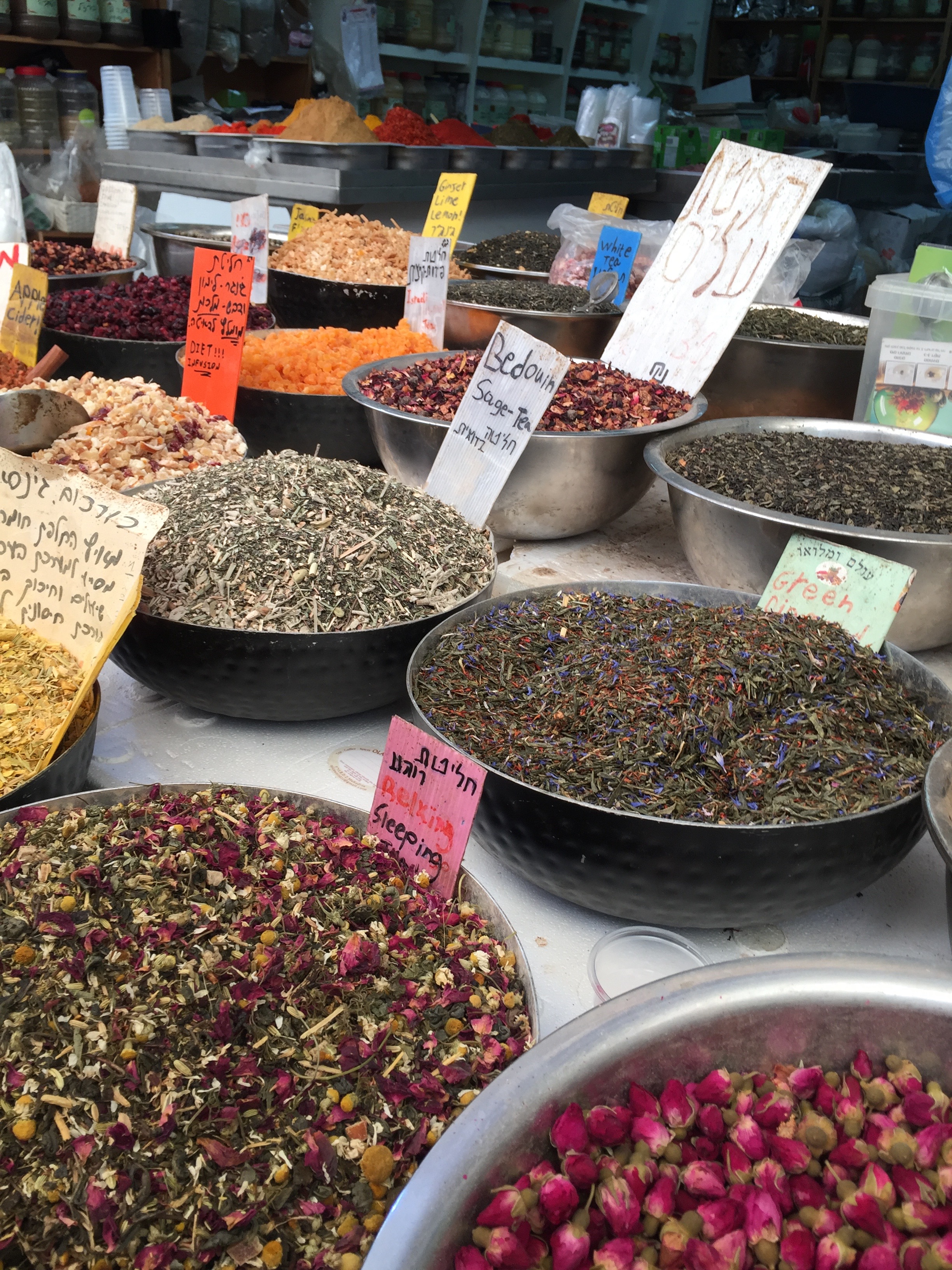
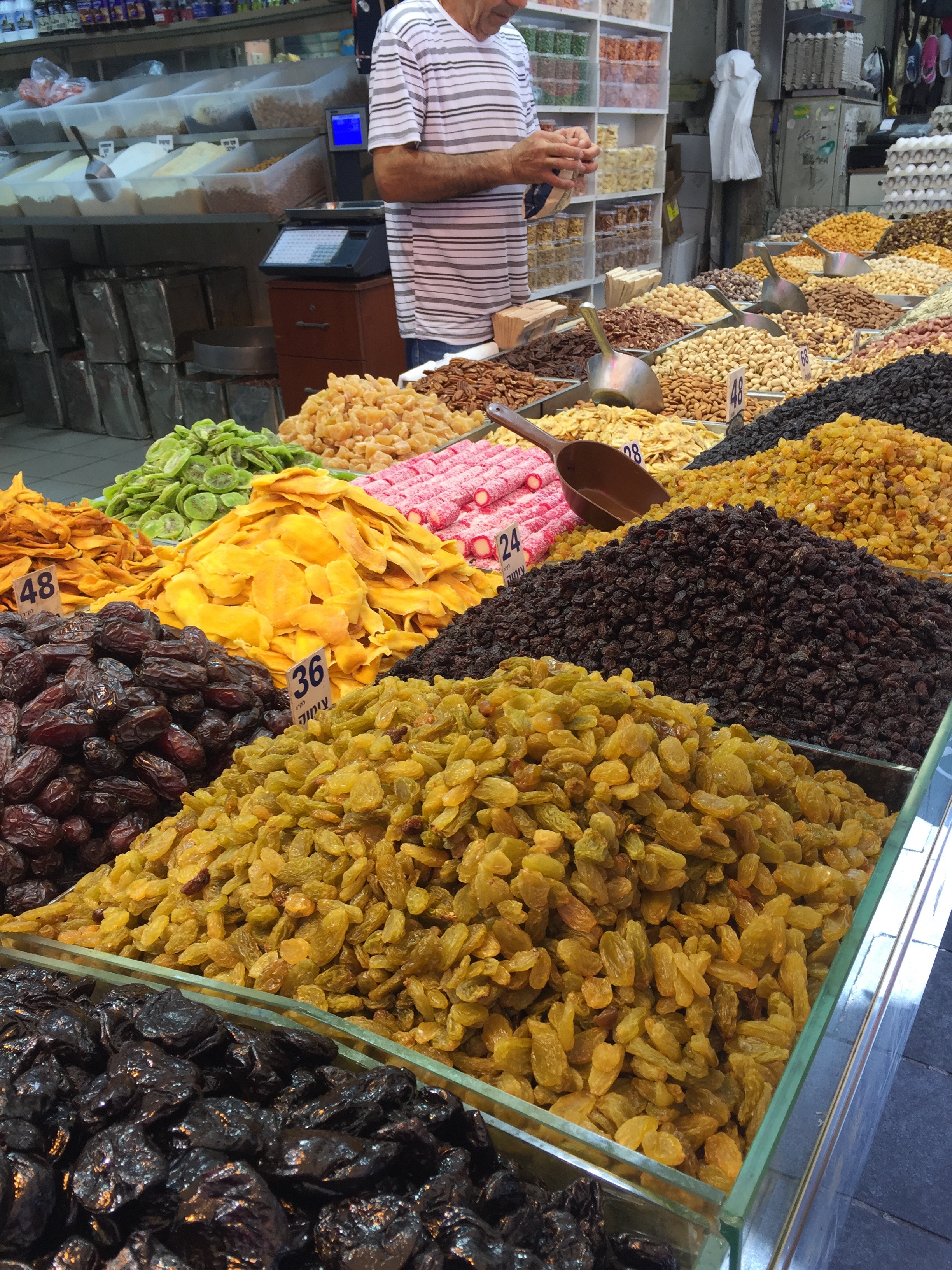
With the vendors beckoning you forth to taste their products, hoping to prod a weakness and draw you in for a sale of juicy dates or fragrant tea, the experience at the market is entirely immersive. At Mahane Yehuda, you are not just a bystander at a spectator sport; you are playing the game simply by showing up. Be vigilant. There is no winning or losing, but you can lose a hell of a lot of money.
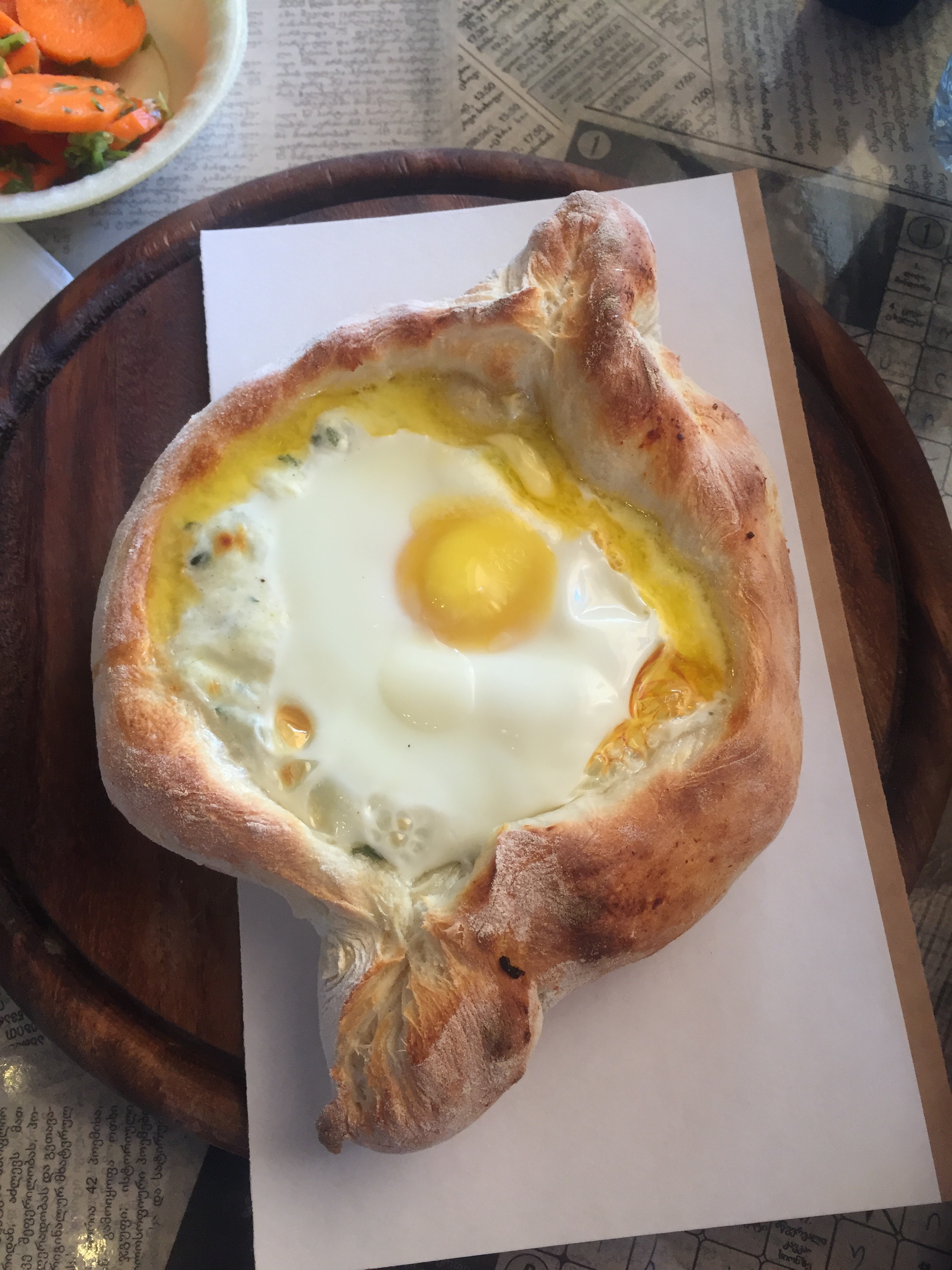
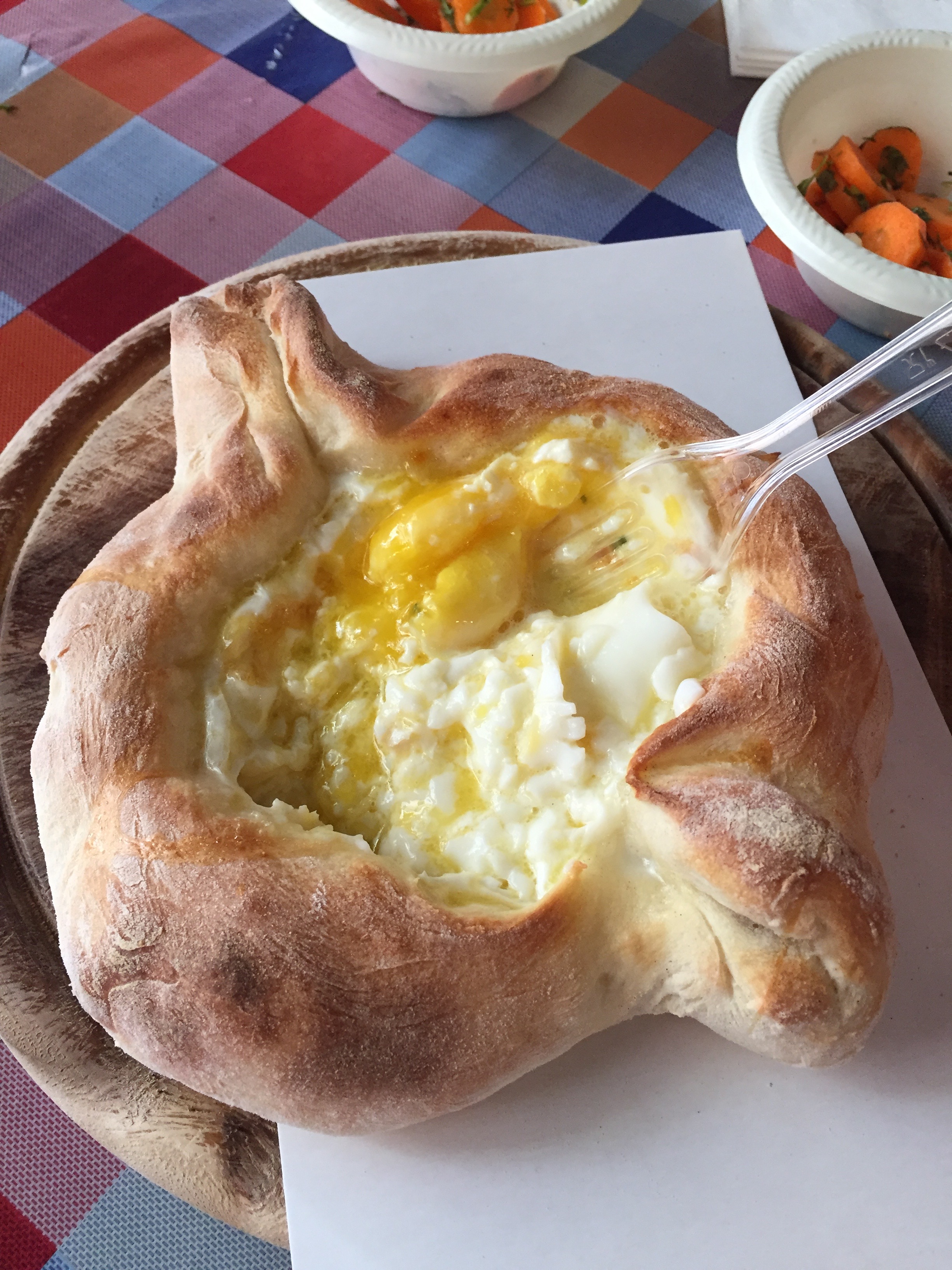
An unforgettable foodie experience came in the form of khachapuri, a traditional Georgian dish I had the pleasure of sampling at a restaurant nearby the shuk. Soft, still-warm bread envelopes a gooey cheese-filled center and is topped with an egg and a generous dollop of butter, which melts instantly. To eat it, you stir all that goodness together with a fork, tear the bread from the sides and dip it into the hot, cheesy mixture. I’m kind of getting hungry just writing this.
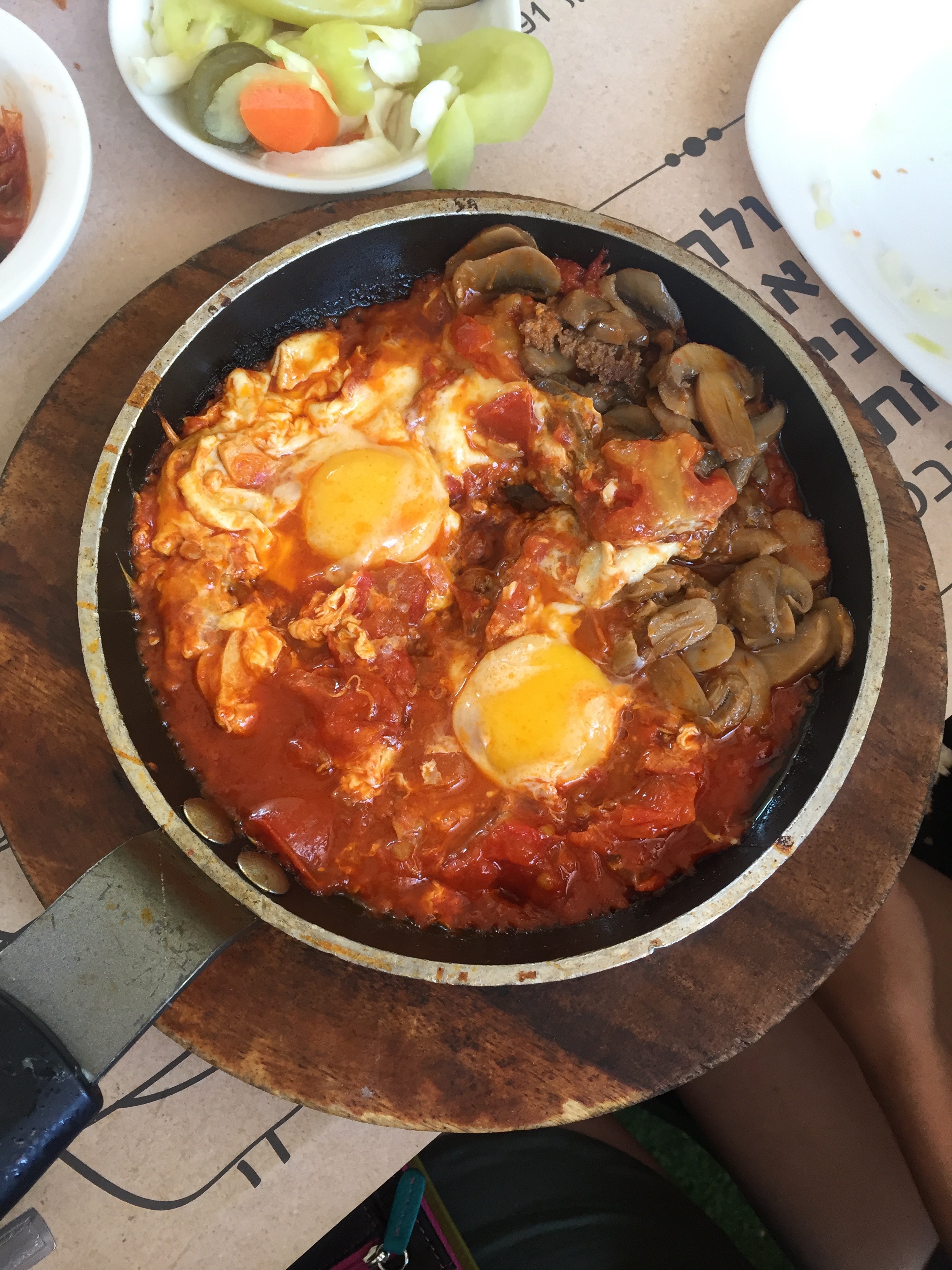
Another delicious–and this one is a classic–dish in Israel is shakshuka. Comprised of eggs poached in a tomato, onion, and pepper sauce with vegetables, meats, or cheeses of choice, shakshuka is a reliable and mouthwatering meal. You can’t really go wrong with a warm shakshuka and bread.
To say the least, I ate well in Israel. I firmly believe that indulging in local cuisine and tasting new foods is as integral to travel as walking the streets and visiting historical sites. It is a part of the region in much the same manner; to miss out on that aspect is to overlook a great deal of the culture.
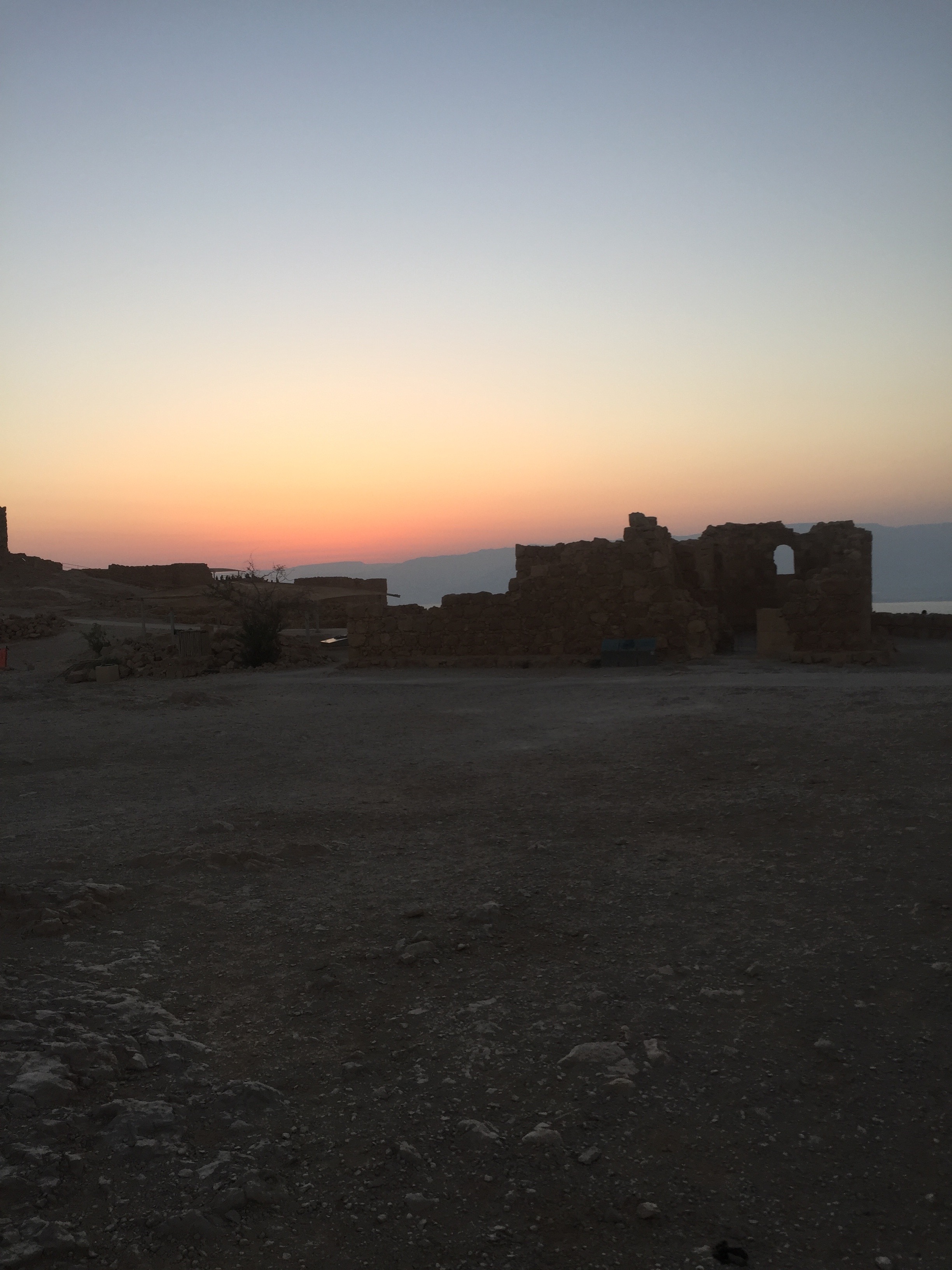
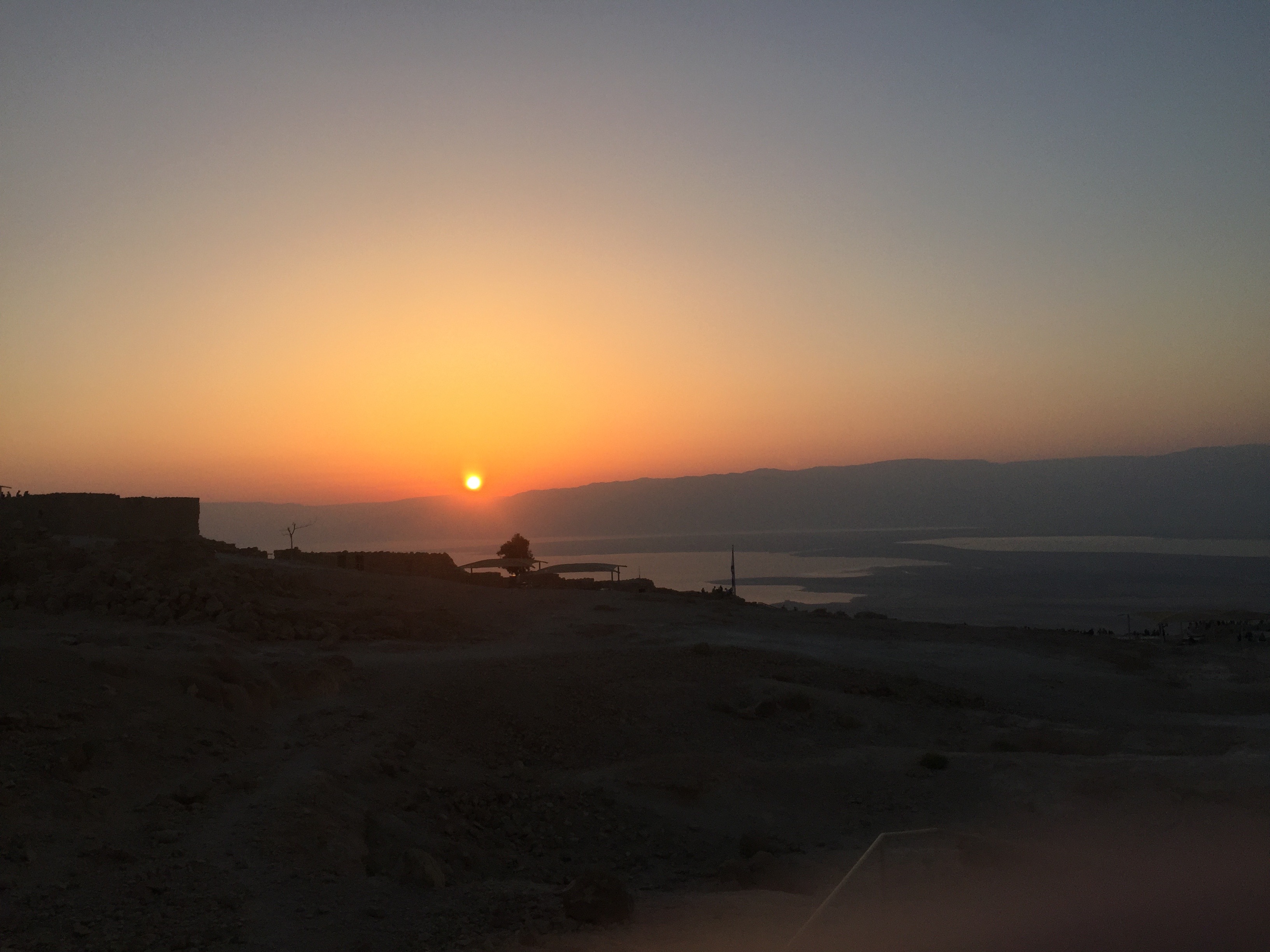
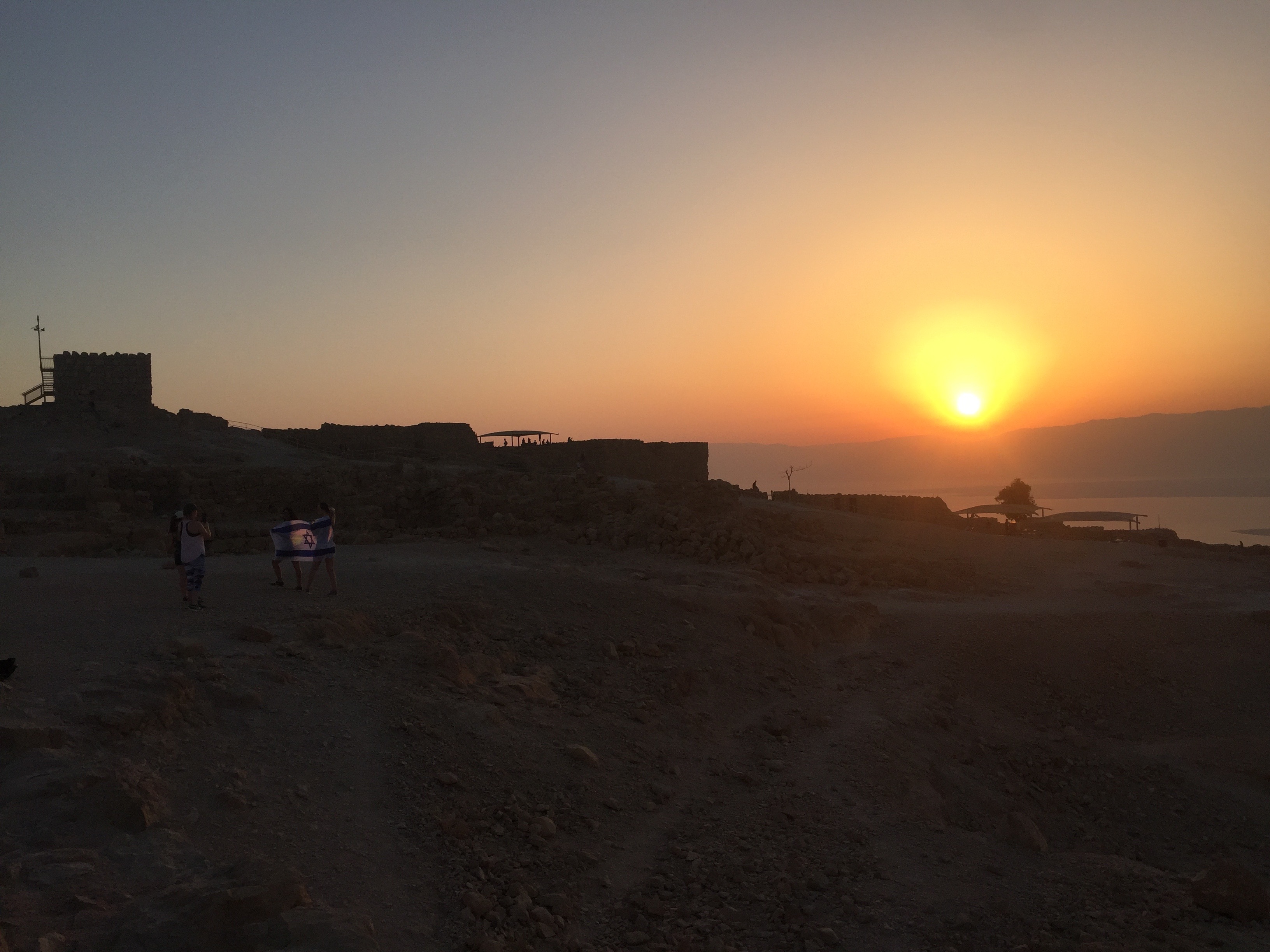
Nearing the end of our trip, we awoke in darkness to climb up Masada and watch the sunrise. Bleary-eyed and running on less than three hours of sleep, I stared at the horizon with bated breath. Sleep is merely an obstacle on a journey like this; if I could have managed the entirety of my ten days on Birthright with zero rest, I would have. Luckily, the exhilaration of this opportunity– sitting alongside 38 new friends at 5am on the top of Masada, waiting for the sun to peek out from behind a barrier of mountains in the distance– kept me wide awake.
The rising sun is deferential, humble. It ascended quickly and without ostentation, a pinpoint of hazy creamsicle light at the edge of the world. We ‘ooh-ed’ and ‘ahh-ed’ because, pathetic as it sounds, how many times in our lives will we awaken to watch this simple, miraculous phenomenon at the crack of dawn? How many times will we risk losing sleep to marvel at something ancient and new all at once, an occurrence as old as time, ever-present whether we are there to witness it or not?
The dawning of a new day, courtesy of a timeworn sun.
Familiar and foreign. New and old.
Israel surprised me. Perhaps the best trips are the kind that grab you by the hand and spin you around three times, disorienting you, shoving you in a new direction, maybe towards the sea, or maybe towards a pastel sunrise.
Maybe towards abiding friendships, maybe towards love.
Maybe towards a newfound spirituality, a respect for what is sacred, a reverence for where you came from.
Maybe towards home, the definition of which is always changing.
On the flight back to Chicago I thought about that question again, “who am I?”
I can’t say I know the answer, or that I am anywhere close to knowing it. Our comprehension of ourselves scarcely scratches the surface at this juncture in life. But I can, with a great deal more confidence than before my time in Israel, say this:
I am an essential fragment of something larger, and I am growing everyday.

 Eliana Jordan
Leave a comment